

Properties of polypropylene
The density of Polypropylene is between 0.895 and 0.92 g/cm³. Therefore, PP is the commodity plastic with the lowest density. With lower density, moldings parts with lower weight and more parts of a certain mass of plastic can be produced. Polypropylene is normally tough and flexible, especially when copolymerized with ethylene. This allows polypropylene to be used as an engineering plastic, competing with materials such as acrylonitrile butadiene styrene (ABS). Polypropylene is reasonably economical. PP has good resistance to fatigue.
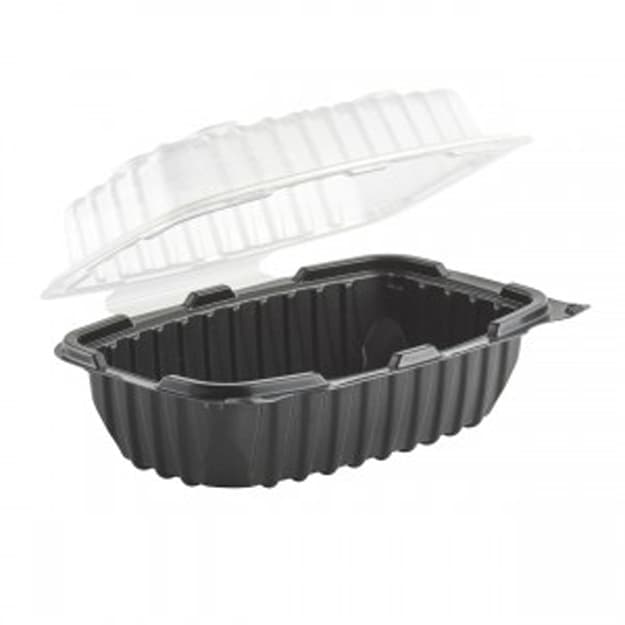
Applications
Buckets, bowls, crates, toys, medical components, fibres for carpets and sports clothing. Rigid packaging includes a multitude of packaging applications from caps and closures to pallets and crates.It can also be produced in sheet form, widely used for the production of stationery folders, packaging, and storage boxes. The wide color range, durability, low cost, and resistance to dirt make it ideal as a protective cover for papers and other materials. The availability of sheet polypropylene has provided an opportunity for the use of the material by designers. The light-weight, durable, and colorful thermoforming plastic sheet and film makes an ideal medium for the creation of light shades, and a number of designs have been developed using interlocking sections to create elaborate designs. Polypropylene Rope is similar in strength to polyester rope but cheaper.
Thermal properties
The melting point of polypropylene occurs at a range, so a melting point is determined by finding the highest temperature of a differential scanning calorimetry chart. Perfectly isotactic PP has a melting point of 171 °C (340 °F). Commercial isotactic PP has a melting point that ranges from 160 to 166 °C (320 to 331 °F), depending on atactic material and crystallinity. Syndiotactic PP with a crystallinity of 30% has a melting point of 130 °C (266 °F). Below 0°C, PP becomes brittle. The thermal expansion of polypropylene is very large, but somewhat less than that of polyethylene.
Polypropylene Data
| General Properties | Test Methods | Units | Values |
|---|---|---|---|
| Melt Flow Index | ISO 1133 | g/10 min | 0.8 |
| Tensile Strength at Yield | ISO 527-2 | MPa | 24 |
| Elongation at Yield | ISO 527-2 | % | 13 |
| Tensile Modulus | ISO 527-2 | MPa | 1200 |
| Flexural Modulus | ISO 178 | MPa | 1100 |
| Izod Impact Strength (notched) | ISO 180 | KJ/m² | |
| At 23˚C | >50 | ||
| At (-20)˚C | 6 | ||
| Charpy Impact Strength (notched) | ISO 179 | KJ/m² | |
| At 23˚C | >50 | ||
| At (-20)˚C | 6 | ||
| Hardness Rockwell - R-Scale | ISO 239-2 | 74 | |
| Melting Point | ISO 3146 | ˚C | 165 |
| Vicat Softening Point | ISO 306 | ˚C | |
| 50N-50˚C per hour | 70 | ||
| 10N-50˚C per hour | 148 | ||
| Heat Deflection Temperature | ISO 752 | ˚C | |
| 1.80 MPa - 120˚C per hour | 50 | ||
| 0.45 MPa - 120˚C per hour | 88 | ||
| Density | ISO 1183 | g/cm³ | 0.902 |
| Bulk Density | ISO 1183 | g/cm³ | 0.525 |